Exploring Learning Types: Understanding How Brits Learn Best
https://www.youtube.com/shorts/gSIUg1kxSg8
Research from the Daily Star reveals that over a quarter of individuals identify as 'Note Takers', suggesting a strong preference for written notes as a primary learning method. This finding highlights a significant trend in learning styles, indicating that many people rely on traditional methods like writing to absorb information, even as technology evolves.
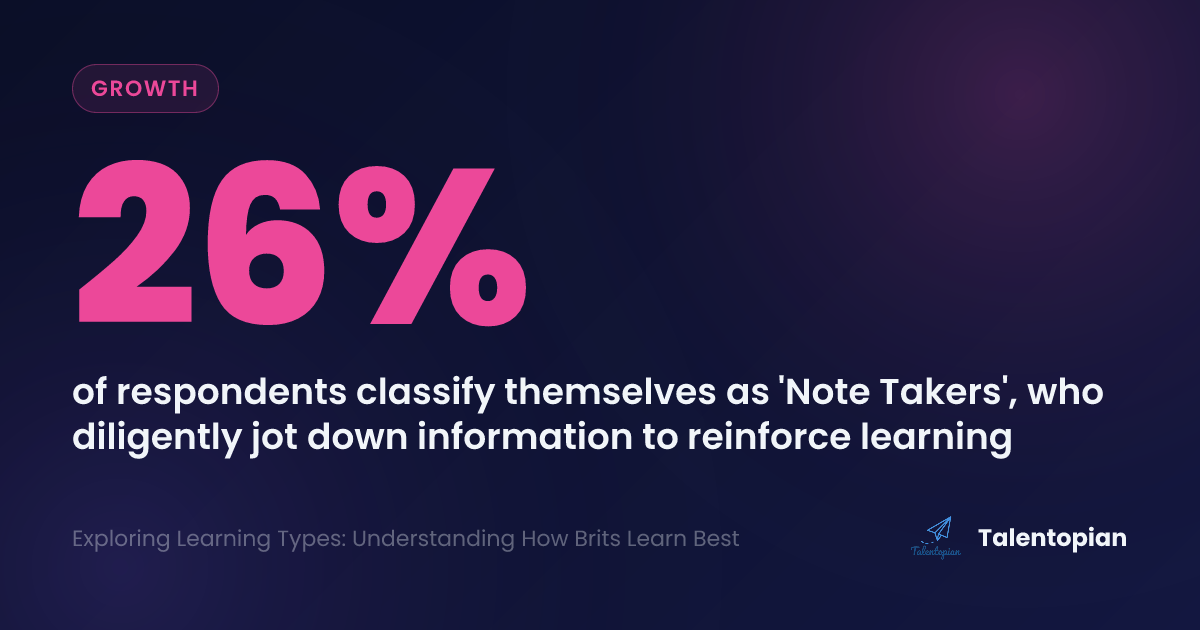
When we unpack this, it becomes clear that learning is not a one-size-fits-all endeavor. The study indicates that 26% of respondents classify themselves as 'Note Takers', who diligently jot down information to reinforce learning. However, this method can sometimes lead to information overload, as 14% admit to taking more notes than necessary. This indicates that while writing can enhance memory retention, it may also create confusion when it comes to sifting through excessive information.
Additionally, 45% of participants are avid note-takers, and four in ten enjoy using highlighters while studying. These preferences underscore a preference for tactile engagement with materials, suggesting that incorporating physical writing tools can be crucial in enhancing learning experiences. If you're a career changer or someone supporting individuals in their career journey, understanding these types can significantly guide how you approach learning and development.
The Six Learning Types
According to the findings, there are six distinct learning types: 'Note Takers', 'Visualisers', 'Last-Minute Learners', 'Sense-Makers', 'Quizzers', and 'Traditionalists'. Each type reflects a unique approach to processing information, which can dictate how individuals engage with new material. Notably, 'Visualisers', who need diagrams and demonstrations to comprehend new concepts, make up about 23% of respondents. This suggests that incorporating visual aids into learning materials can be especially beneficial for a considerable segment of learners.
In contrast, 'Last-Minute Learners', comprising 7% of the population, thrive under the pressure of impending deadlines. These individuals might benefit from time management techniques that create artificial pressure to enhance their performance. This could be a crucial insight for career coaches and educators looking to tailor strategies for specific learners.
Moreover, 'Sense-Makers' (15% of respondents) seek multiple explanations to grasp new concepts fully. This indicates a preference for diverse learning materials, such as videos or supplementary texts. If you work with 'Sense-Makers', consider providing a range of resources and methodologies to accommodate their need for clarity and depth.
- Note Takers: 26% prefer writing everything down.
- Visualisers: 23% need diagrams and examples to understand.
- Last-Minute Learners: 7% perform best under time pressure.
- Sense-Makers: 15% require multiple explanations.
- Quizzers: 6% enjoy testing their knowledge.
- Traditionalists: 28% still rely on school techniques.
Learning Adaptability Over Time
The research also shows that learning preferences may change with age; 47% of respondents indicated they have shifted their learning styles as they matured. This adaptability emphasizes the need for continuous reassessment of personal learning strategies. For instance, if you're transitioning careers, consider examining how your learning preferences have evolved and whether your current methods still serve you effectively in acquiring new skills.
Interestingly, 28% of adults reported still using the same methods they relied on during their school years. This statistic highlights the challenge of breaking ingrained habits, which could impede the adoption of more effective or contemporary learning techniques. To circumvent this, one might consider integrating new technologies—like educational apps that utilize gamification—to foster engagement and encourage a shift in learning habits.
Furthermore, the fact that 62% of individuals pick up something new at least once a week indicates a robust appetite for learning. Recognizing this enthusiasm can lead to more tailored development strategies that align with personal interests and professional goals. For career changers and development practitioners, this data suggests that promoting a culture of continuous learning through varied methodologies will likely resonate with learners.
Engaging with Technology in Learning
The role of technology in learning is also significant. The research indicates that 58% of respondents are open to using AI tools that adjust explanations based on their struggles. This openness suggests a valuable opportunity for leveraging technology to create personalized learning experiences. For instance, platforms like Talentopian surface insights through game-based profiling, which can help individuals identify their learning styles and adapt their methods accordingly.
Moreover, one in ten respondents would find it beneficial to transform their notes into quiz questions. This aligns with the 'Quizzer' type, which represents 6% of the population. If you’re working with individuals aiming to reinforce their learning, consider introducing quiz-based assessments or interactive learning platforms that cater to this preference, thus enhancing retention and comprehension.
Additionally, the study found that 37% of learners will actively seek alternative explanations when they struggle to understand a concept. This demonstrates a proactive approach to learning that can be harnessed by providing learners with a variety of resources. Encourage individuals to explore various formats, such as podcasts, videos, and articles, which can cater to different learning types and facilitate a deeper understanding.
Building a Personalized Learning Path
Given the diversity of learning types, it's essential to adopt a personalized approach to learning and development. Start by assessing your learning style or that of the individuals you support. This can be done through reflective questions regarding past successes in learning or by using assessment tools designed to identify learning preferences.
Next, implement a learning strategy that incorporates various methods—visual, auditory, and kinesthetic—to accommodate different styles. For instance, if you identify as a 'Visualiser', you might benefit from incorporating infographics or mind maps into your study sessions.
Finally, create a feedback loop where you continually evaluate your learning strategies. Are they effective? Do you feel engaged? Consider using technology to track progress and adapt your methods as you discover what resonates most. This iterative approach can lead to significant improvements in both retention and application of new knowledge.