August 2026 Employment Situation Overview
https://www.youtube.com/shorts/tXNlOIxWSTU
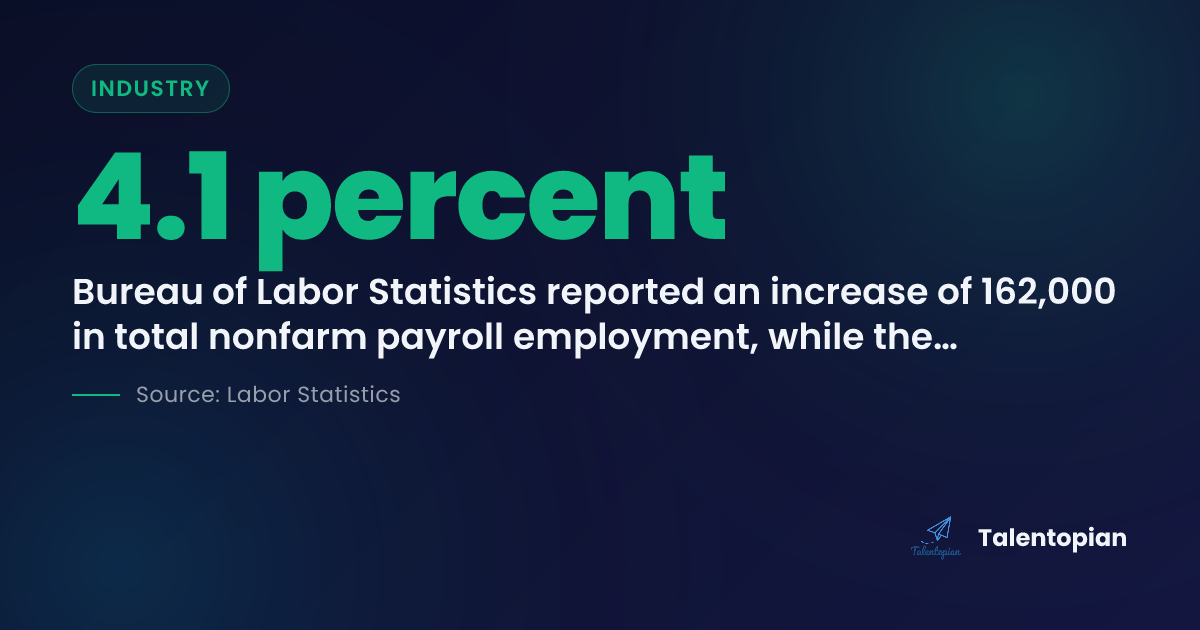
In August 2026, the U.S. Bureau of Labor Statistics reported an increase of 162,000 in total nonfarm payroll employment, while the unemployment rate remained unchanged at 4.1 percent. This stability in employment figures reflects interesting dynamics in various sectors, particularly in food services, local government education, and the unfortunate job losses in the information industry.
Understanding the Employment Landscape
As we delve into the August employment data, it’s important to grasp the nuances of these statistics. The unchanged unemployment rate of 4.1 percent indicates a relatively stable job market, but the number of unemployed individuals remains at 7.0 million. This figure includes various demographic groups, with notable rates of 3.2 percent unemployment for Asians, 6.0 percent for Black individuals, and 4.8 percent for Hispanics. Meanwhile, the teenage unemployment rate has seen a slight increase to 14.1 percent, highlighting the ongoing challenges for younger job seekers.
The labor force participation rate saw a minor increase to 61.6 percent, yet this is down by 0.5 percentage points since January. This decrease suggests that while some individuals are entering the workforce, others may still be discouraged or unable to find suitable employment. The economic landscape remains complex, and understanding these trends is crucial for job seekers and employers alike.
Sector-Specific Insights
In August, the food services and drinking places sector saw a significant boost, contributing 59,000 jobs, substantially higher than the average monthly gain of 12,000 over the past year. This pattern indicates a growing demand for services in this area, which may signal opportunities for job seekers interested in hospitality and service-oriented roles. Local government education also added 42,000 jobs, marking a recovery trend after recent fluctuations.
On the other hand, the information industry experienced job losses of 23,000, which is concerning given the sector's previous stability. Key areas like computing infrastructure and data processing saw particularly steep declines. For job seekers in tech, this may be a signal to pivot towards more robust sectors, such as health care or food services, which are currently trending upward.
Evaluating Job Market Trends
For those analyzing employment data, it’s essential to track certain signals that indicate shifting market dynamics. Consider the following:
- Sector Performance: Monitor industries like food services and health care, which have shown growth. This can help you identify where job opportunities are expanding.
- Demographic Rates: Keep an eye on specific unemployment rates among various demographic groups to understand where support or targeted job initiatives may be needed.
- Long-term Unemployment: With 27.0 percent of unemployed individuals categorized as long-term unemployed, this could inform strategies for workforce development programs.
Paying attention to these areas can help career counselors and job seekers alike make informed decisions about where to focus their efforts in the job market.
Practical Steps for Job Seekers
For job seekers looking to navigate this evolving landscape, there are concrete steps you can take immediately:
- Explore Growing Sectors: If you're in the hospitality or health care fields, consider expanding your search to roles that align with the sectors currently hiring.
- Network Strategically: Engage with professionals in high-growth industries. Attend local job fairs or workshops focusing on food services or education to connect directly with hiring managers.
- Evaluate Skills and Roles: Analyze job descriptions in growing sectors to identify key skills that are in demand. Tailor your resume to highlight relevant experience and competencies that would appeal to these employers.
Understanding these market signals and acting on them can boost your chances of landing a desirable position in a competitive job market.
Assessing Compensation Trends
Another crucial aspect of the employment situation relates to wages. In August, average hourly earnings for private nonfarm payrolls rose by 0.3 percent to \(37.75, with production and nonsupervisory employees earning \)32.53. For job seekers, this information is vital when negotiating salaries or evaluating job offers. Ensure you know the benchmarks for your industry and role, as this can significantly impact your long-term financial well-being.
As the labor market continues to evolve, platforms like Talentopian surface essential insights that can help you strategically approach your career decisions and assess fit within the current job landscape.